
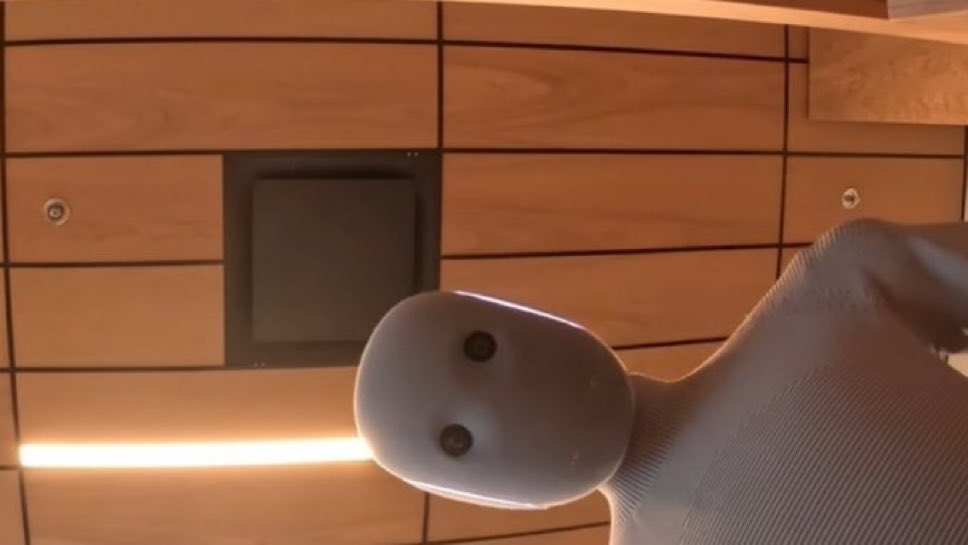
A brand-new humanoid home robot is creating buzz — and a bit of confusion — among tech fans. Priced at $20,000, this robot promises to help with household chores, but there’s a catch: you’ll still have to teach it how to work.
Developed by robotics startup 1X Technologies, the robot — called Neo — is designed to assist with daily tasks like cooking, cleaning, organizing, and even chatting with its owners. But unlike a plug-and-play gadget, Neo isn’t fully autonomous. Many of its functions still rely on human teleoperation and step-by-step training.
What Neo Can Do
Neo stands about five and a half feet tall, weighs around 30 kilograms, and can carry loads of up to 25 kilograms. Its design includes soft, human-like materials and sensors that allow it to move safely around your home. It can open doors, carry groceries, fold clothes, and even recognize faces and voices.
The company says the robot is meant to blend naturally into homes — running quietly, learning tasks over time, and improving with use. In some cases, Neo can be remotely guided by human experts from the company who demonstrate new actions for it to learn.
The Catch — Human Training
Here’s the twist: Neo doesn’t come pre-trained for every task. You’ll need to teach it manually or connect with remote trainers who can operate it in real time. Essentially, you’re buying a robot that learns on the job, with your help.
That means Neo isn’t a fully independent home helper — at least not yet. It’s part robot, part human-assisted system, still learning to handle the complexity of household work.
Availability and Price
Neo is now open for pre-orders in the U.S., with deliveries expected in 2026. The robot is priced at around $20,000, but a subscription option starting at $499 per month will also be available for those who prefer to rent or test the system before buying.
Why It Matters
Neo marks one of the first serious steps toward consumer-level humanoid robots for personal use. While it’s not perfect — and definitely not cheap — it shows how close we’re getting to real home robotics.
Still, questions about privacy, reliability, and practicality remain. If robots need remote human help to function, how “smart” are they really?
Neo may not be the fully autonomous home assistant we’ve seen in sci-fi movies yet, but it’s a glimpse into the future — one where your robot might finally help you with chores… once you’ve shown it how.




 NudgedUp
Leave a comment