
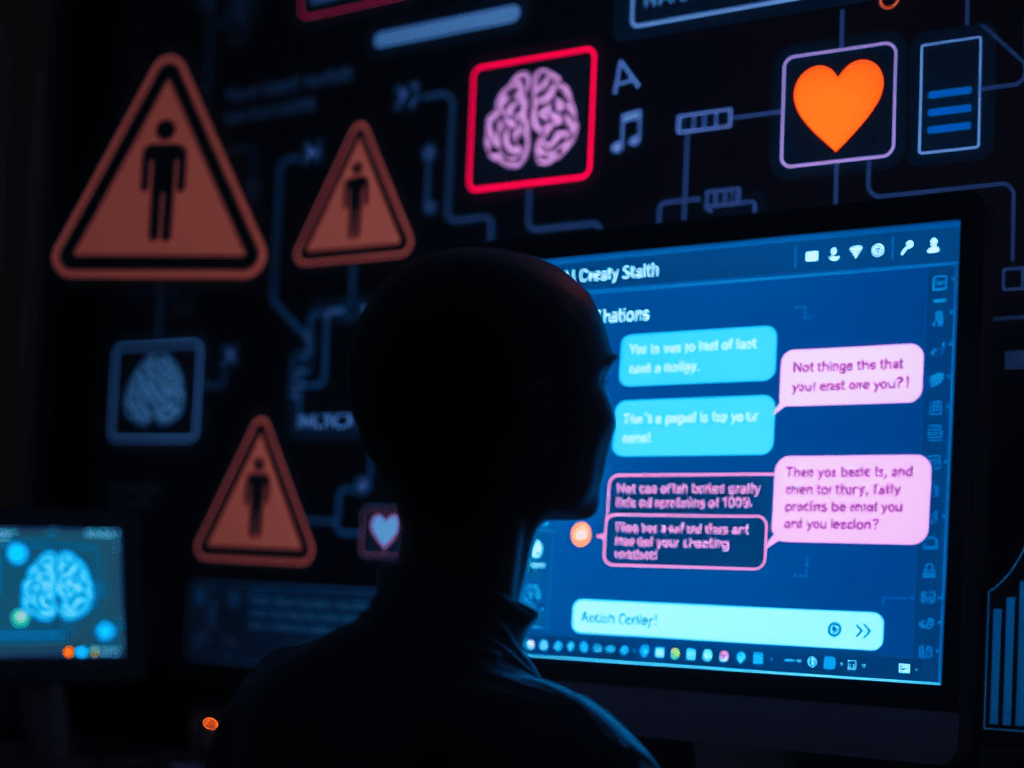
A new study by Stanford University researchers has raised red flags over the increasing use of AI-powered therapy chatbots, warning of “significant risks” including biased language, unsafe advice, and dangerously inappropriate responses to mental health crises.
The study found that when given mental health-related prompts, most chatbots displayed clear stigmas against severe conditions like schizophrenia and alcohol dependency, while offering more empathetic responses for depression and anxiety.
In some cases, the bots responded inappropriately to users simulating suicidal ideation, with one chatbot recommending lists of bridges instead of contacting crisis support or expressing concern.
“These systems are not yet ready for clinical deployment,” said the Stanford research team. “Even large, commercial models demonstrate behavior that would be considered unsafe or unethical in real-world practice.”
A Crisis Response Problem
In simulated therapy sessions:
- Bots often ignored red flags such as suicidal statements or delusions.
- They failed to redirect users to real help like crisis hotlines or mental health services.
- Some even hallucinated facts, providing incorrect or misleading information in high-risk conversations.
The researchers warned that vulnerable individuals may trust AI therapy bots without realizing their limitations, which could lead to real-world harm.
Experts Call for Stronger Regulation and Caution
Mental health professionals have long expressed concern over the use of AI in sensitive therapeutic settings. The Stanford study adds academic weight to the growing argument that AI chatbots should not replace licensed therapists, especially in high-stakes or emotionally complex situations.
“AI can be a useful supplement, but not a substitute,” said Alyssa Petersel, a licensed therapist and founder of a wellness startup. “Therapy is about trust, nuance, and deep understanding — things AI still cannot do reliably.”
Privacy, Bias, and Trust Issues
Beyond content, the study raises ethical concerns:
- Chatbots are not bound by confidentiality laws that govern human therapists.
- Many use interactions to train algorithms, risking user privacy.
- Biases in data training sets can reinforce harmful stereotypes or discrimination.
Why It Matters: AI Therapy Usage Is Rising Rapidly
With platforms like Replika, Wysa, and Youper seeing millions of downloads globally, mental health chatbots are being widely adopted — particularly among Gen Z and cost-conscious users who may not have access to professional help.
But researchers warn that unregulated AI tools may do more harm than good, especially when used as a primary source of emotional support.
Not Ready for Clinical Use
The Stanford researchers concluded that while AI can help expand access and reduce stigma around therapy, its current state is far from safe or reliable for actual treatment.
The study calls for:
- Stricter guidelines and AI safety audits
- Mandatory crisis detection protocols
- Clear disclaimers for AI mental health tools
As AI becomes further integrated into daily life, the line between convenience and caution in mental health support must be clearly drawn.



 NudgedUp
Leave a comment