
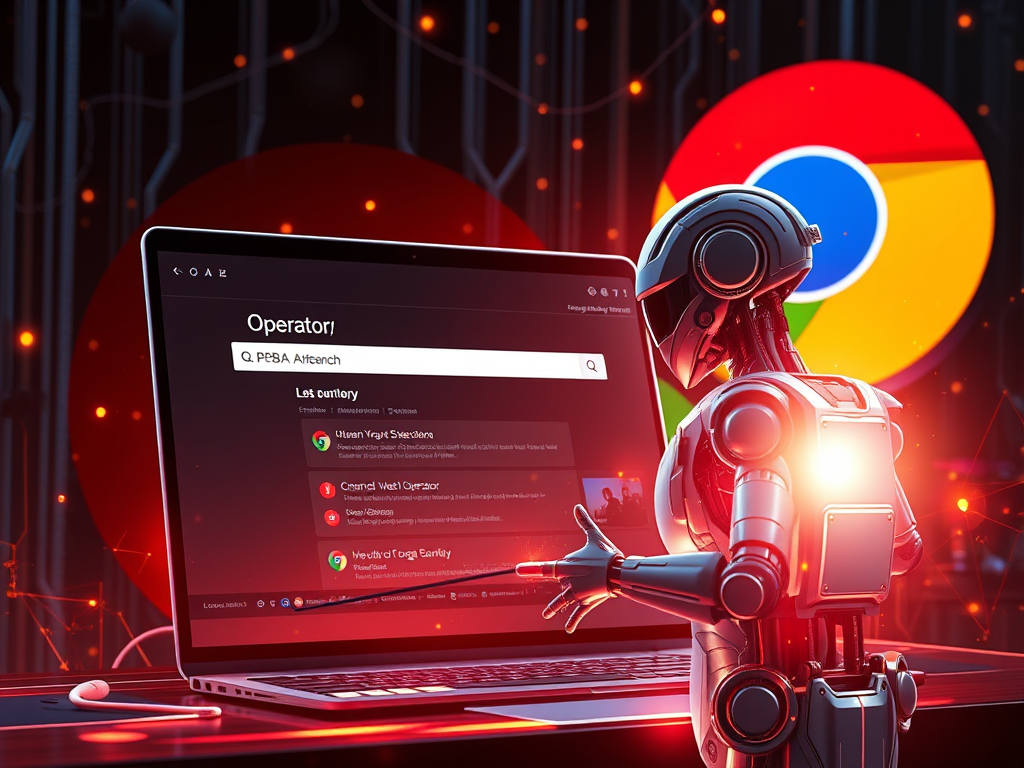
OpenAI is releasing a generative AI‑powered browser featuring intelligent agents, conversational search, and task automation—potentially upending Google Chrome’s ad‑driven model and search dominance.
In what could be the most significant challenge to Google’s dominance in over a decade, OpenAI is preparing to launch a revolutionary AI-powered web browser. Built with generative artificial intelligence at its core, the browser promises to transform how users interact with the internet—shifting from link-based searches to smart, conversational interfaces.
Tech insiders believe the move could fundamentally disrupt how users browse, search, and perform tasks online—posing a direct threat to Google Chrome, which currently dominates the global browser market.
What Makes OpenAI’s Browser Different?
OpenAI’s browser, based on Chromium (the same open-source engine behind Google Chrome), will go beyond simple navigation. Instead of typing keywords into a search bar and clicking through links, users will be able to ask natural questions, delegate tasks, and receive direct answers—all powered by OpenAI’s large language models like GPT-4 and beyond.
At the heart of this experience is a powerful new feature: an AI agent called “Operator”. This tool can handle a wide range of user tasks—from summarizing content and filling out forms to booking reservations or finding answers across the web. Instead of showing ten blue links, it gets things done.
A Direct Challenge to Google’s Core Business
For Google, the timing couldn’t be worse. Chrome and Search are deeply linked—Chrome funnels users directly into Google’s advertising ecosystem, where nearly all of Alphabet’s revenue is generated.
If users begin interacting with the internet through an AI assistant instead of a search engine, the entire advertising model could shift. OpenAI’s browser would collect user data and behavior independently, allowing the company to build its own ecosystem—and potentially take control of how people access and interpret online content.
Strategic Moves: Talent and Timing
According to reports, OpenAI has poached several senior engineers from Google’s Chrome team, further fueling speculation about its long-term browser ambitions. Some insiders say OpenAI even considered acquiring Chrome if regulators had forced Google to divest it under antitrust pressures.
Instead, OpenAI chose to build its browser from scratch—tailored for an AI-first world. It’s also entering a race with companies like Perplexity AI, which recently launched its own AI-native browser called “Comet,” designed with features like automatic summarization, AI-assisted tabs, and integrated email reading.
Google Responds, But Can It Catch Up?
Google has already responded with its own AI-based tools inside Search and Chrome, including Search Generative Experience (SGE) and conversational enhancements to the browser. But OpenAI’s new product takes things a step further—removing the need to search altogether.
With millions of active users on ChatGPT and deep integration of GPT into everyday workflows, OpenAI has both the user base and technological edge to make a serious impact.
Why This Matters
The web browser is no longer just a window to the internet—it’s becoming an interactive platform where decisions are made, content is summarized, and actions are taken by AI. If OpenAI’s browser delivers on its promise, it could:
- Reduce the need for traditional search engines
- Bypass ad-driven link models
- Create new privacy and data ecosystems
- Shift user trust from Google to OpenAI
This marks not just a browser war, but a battle for control over how people interact with the internet itself.
OpenAI’s browser could be the most disruptive browser innovation since Chrome’s launch in 2008. By merging search, navigation, and AI-driven execution, it doesn’t just compete with Google—it reimagines the browser as a digital assistant.
For now, Google still controls the web’s gateway. But that door may be opening to a new kind of experience—one where users don’t just browse the internet, they talk to it.



 NudgedUp
Leave a comment